OUR MODEL
The MATES Program
CHANGE MADE FOR CONSTRUCTION
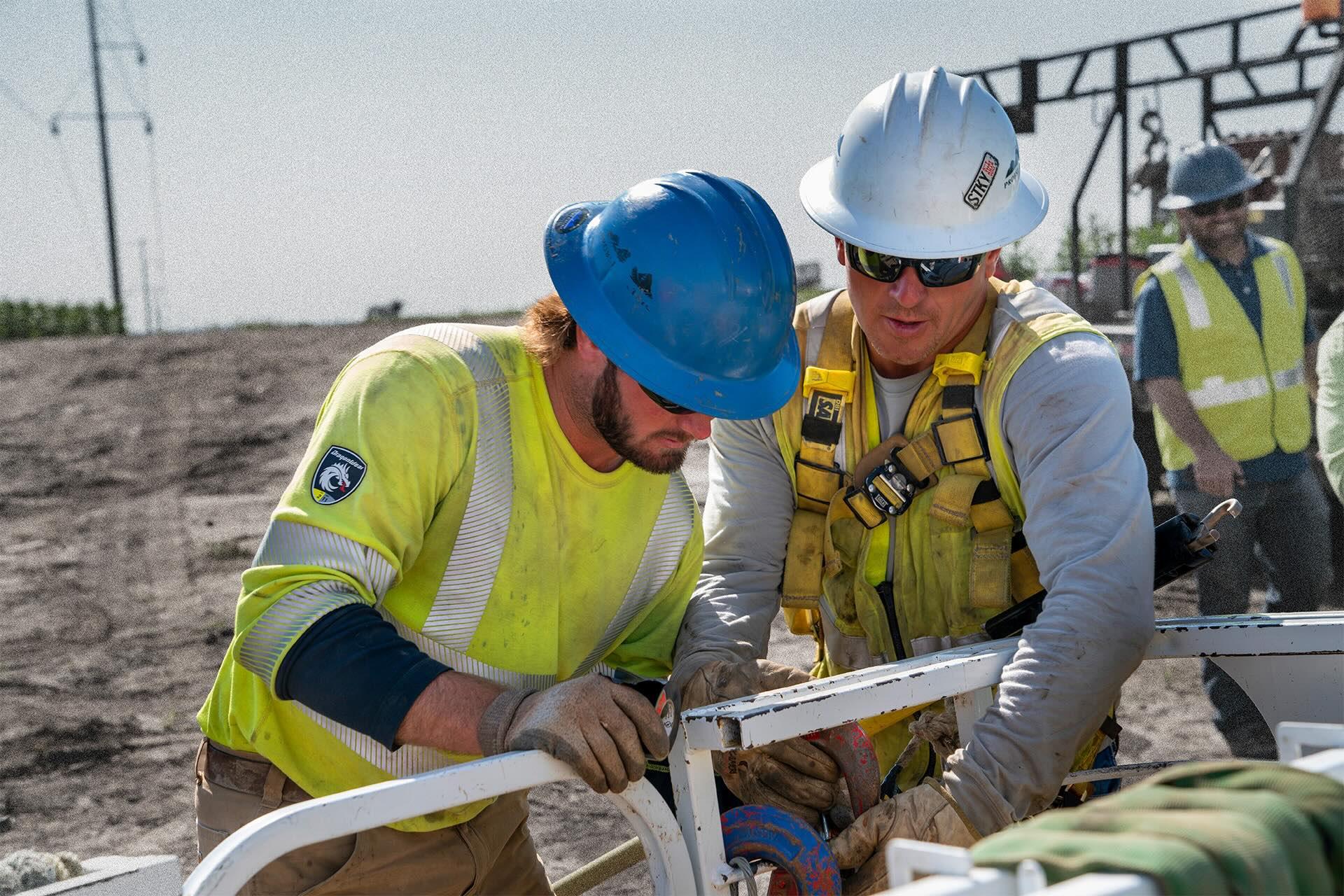
MATES was created by construction, for construction. And that matters — because working in our industry comes with a unique set of challenges.
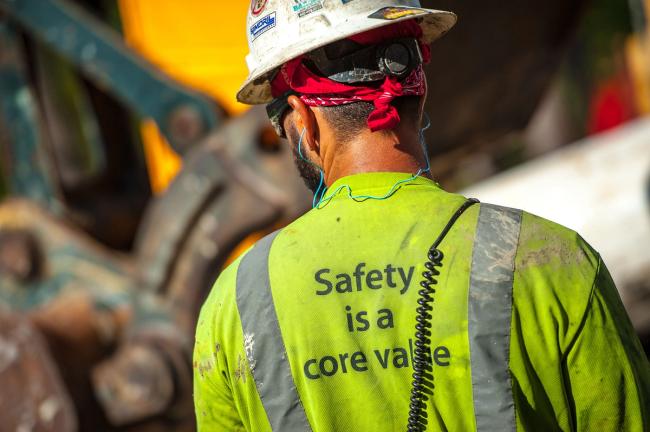
In construction, intense physical work and demanding conditions are part of the job. Our workers are rewarded for toughness and ‘pushing through’ at all costs, while expressing stress or struggle can be seen as an obstacle to getting the job done.
For this reason, empowering workers to talk openly about their struggles must start with addressing the industry-specific social, cultural, and structural barriers that stand in their way. MATES is purpose-built to tackle all of them.
HOW MATES WORKS
MATES uses a multi-layered system to integrate suicide prevention into existing systems on site, and more broadly across industry. It’s not an add-on; it becomes embedded in our day-to-day.


The North America Pilot
In early 2026, MATES launched our North America Pilot program, supported by our Founding Partner, Quanta Services. The results and feedback we gather will help us tailor MATES delivery for maximum effectiveness on US and Canadian worksites for years to come.



The Need for a Pilot
Although the MATES program boasts 20 years of evidence-based success in Australia, the industrial landscape in the US and Canada is different.
Here, MATES must navigate the wide variations that our decentralized healthcare system and fragmented labor and regulatory environment cause from one site to the next.
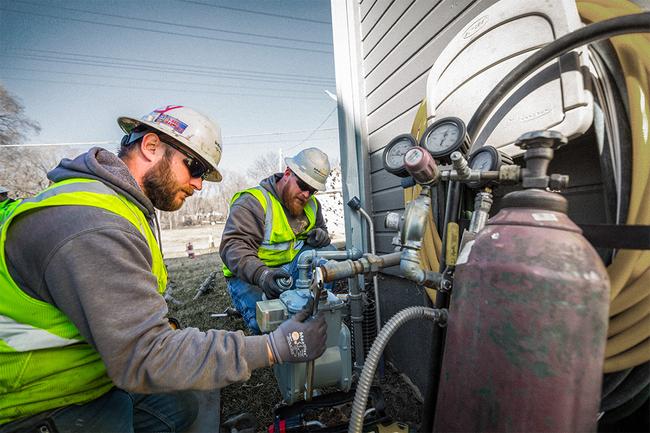
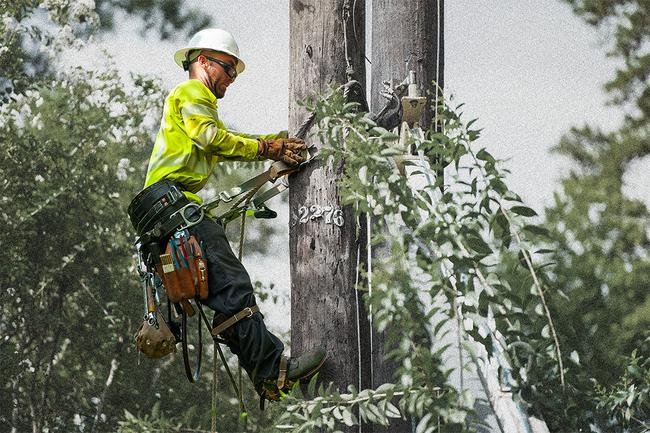
The Pilot’s intent is to test the program across a broad spectrum of sites — urban vs rural, union vs non-union, employee vs contractor workforce. The data we gain will help us refine our North American program for success under all local conditions.
How We Prepared
Guided by comprehensive Implementation Science frameworks, we listened to workers in the field and engaged an advisory group of US industry leaders, unions, and mental health professionals to inform our adaptation of the MATES model for North American conditions.
With their guidance, we’ve also localized the program to reflect the operational, language, and cultural norms that feel natural on our sites.
Where to Next
With the Pilot active, MATES regional field teams are already returning data and feedback.
And we’re turning this data into development, using real-time analysis and learning loops to refine our delivery strategies as the Pilot progresses. Everything we learn will shape the transition from pilot into phased rollout across organizations and make peer-led suicide prevention a core component of North American safety practice.
Our Locations
MATES onsite
In early 2026, MATES launched the North America Pilot program, supported by Quanta Services. The results and feedback we gather will help us tailor MATES delivery for maximum effectiveness on US and Canadian worksites.
Training Types
Creating Networks of Safety
Layer 1 - General Awareness Talk
Field Officers deliver General Awareness Talks (GATs) to every worker on site, as part of regular toolbox safety talks. GAT introduces workers to the scale of the suicide problem, normalizes discussions about mental health and suicide, and gives people the skills to spot distress in a workmate and offer help.
Layer 2 - Connector
After GAT, we offer intermediate Connector training to workers who volunteer to champion mental health, suicide prevention, and the MATES program on their worksite. Connectors are trained to listen, spot distress, offer peer support, and take the next step to connect people with further help when needed. They form a consistent, visible layer of peer support, while also becoming grassroots champions of openness and mental health on site. After taking this training, Connectors receive ongoing coaching and support from the MATES team to ensure they don't have to carry the weight of helping on their own.
Layer 3 - ASIST
ASIST is an advanced, two-day suicide intervention training for workers. Like First Aid training but for mental health, ASIST creates a critical layer of peer-led crisis support, upskilling workers to talk with actively suicidal coworkers and keep them safe until they are connected with professional help.


We're Research-Driven
MATES is committed to evidence-informed practice. We work alongside leading research partners to evaluate our approach and identify future directions for our program.