Our Team
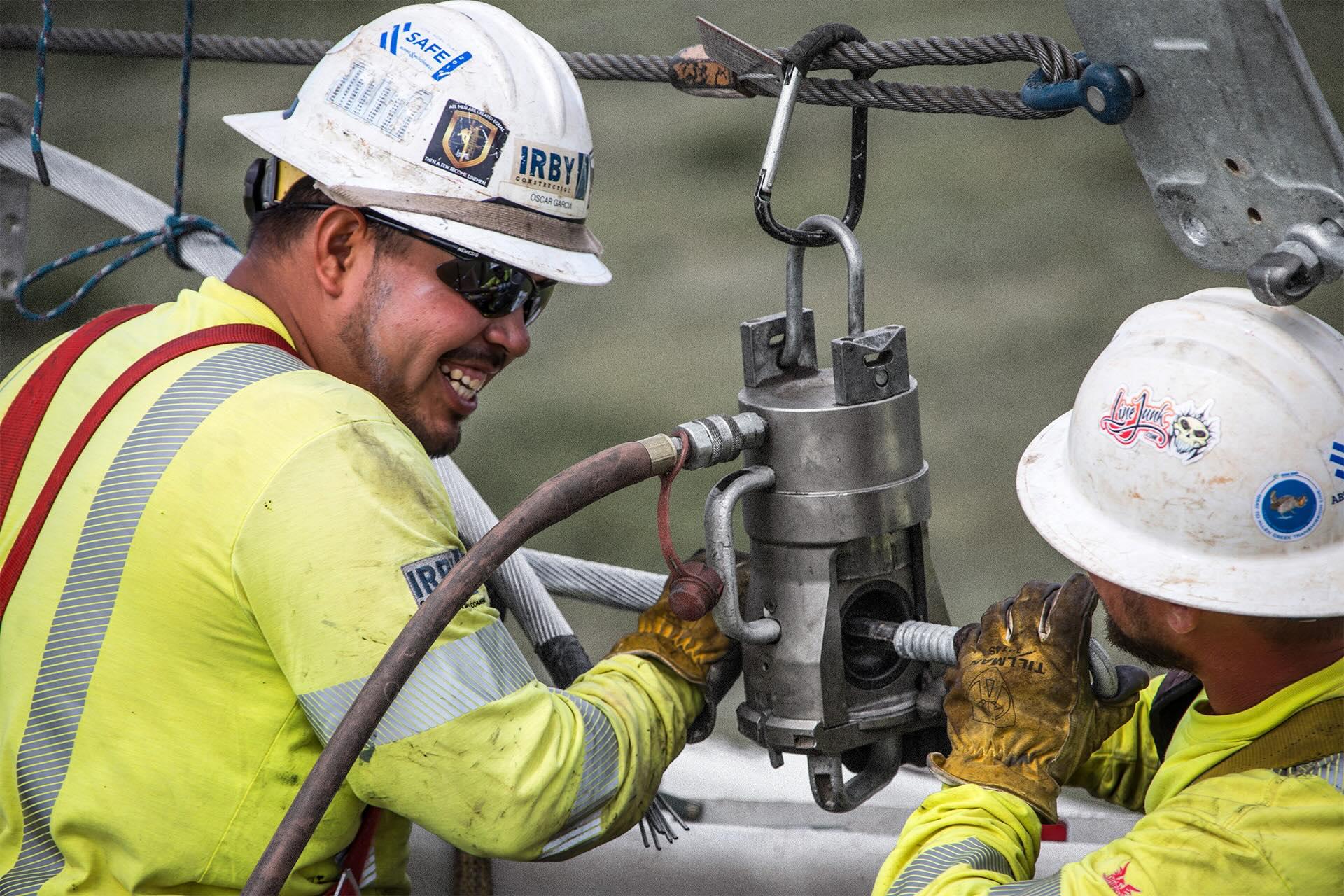
Governance
Leadership & Accountability
MATES North America Pilot is governed as a United States nonprofit organisation, with strong nonprofit governance and clear accountability for safety, integrity, and impact. Our Board includes industry-informed leadership and is supported by a structured advisory group model so that employer, union, and sector voices shape how the program is delivered in real-world construction environments.
We are connected to MATES in Construction Australia through a formal relationship that protects the program’s intellectual property, quality standards, and evidence-informed approach, while enabling a North America-based organization to lead locally. This structure ensures we can respond to North American conditions and partnerships, while remaining aligned to the principles and safeguards that make MATES effective.
Industry input does not sit on the sidelines; it is built into our governance. Our Board oversight and advisory groups help ensure the program remains practical, credible, and accountable to the people it exists to serve: construction workers and their communities.
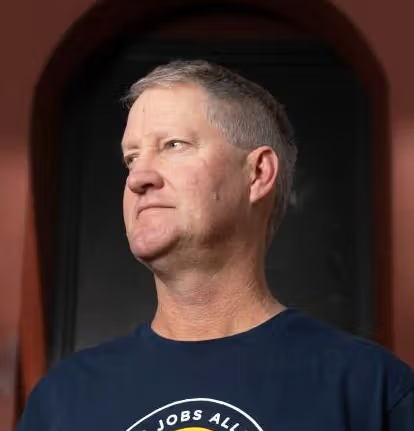
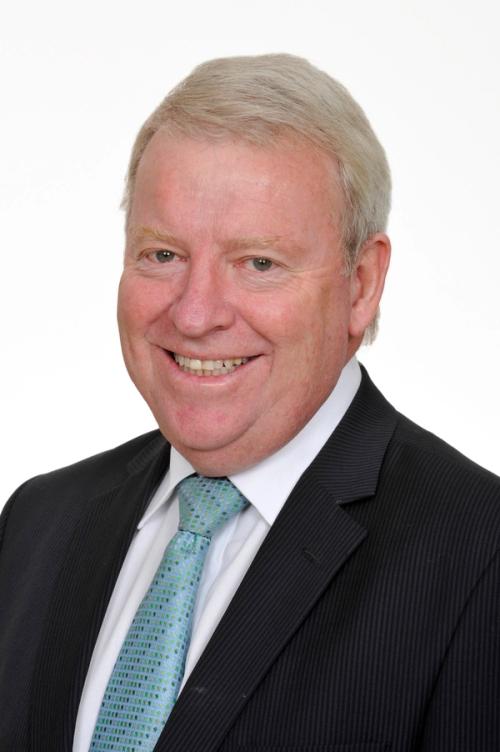
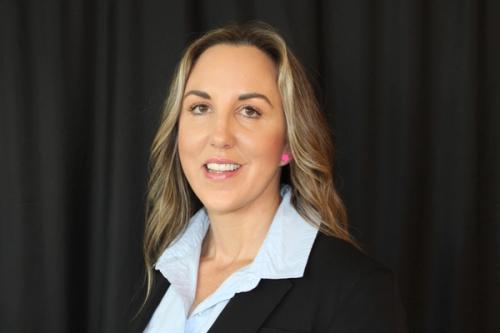
The MATES Board
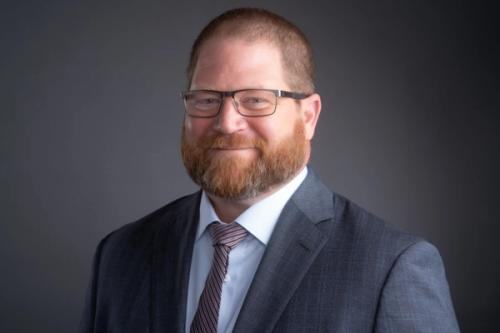
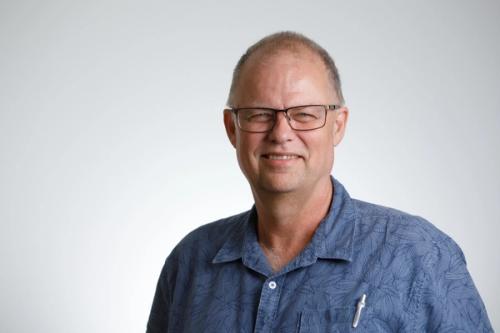
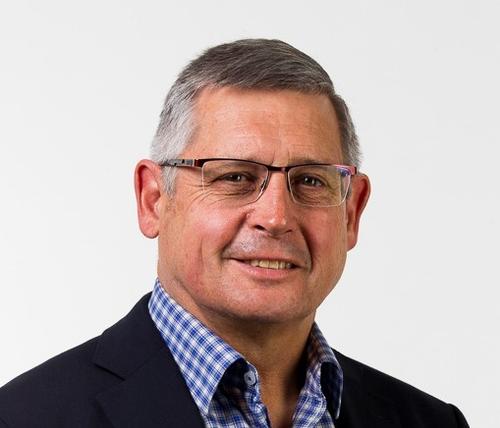
Our Team
Shallon Yi
Executive Manager
Shallon Yi leads industry-driven, evidence-based suicide prevention and mental health initiatives in construction.
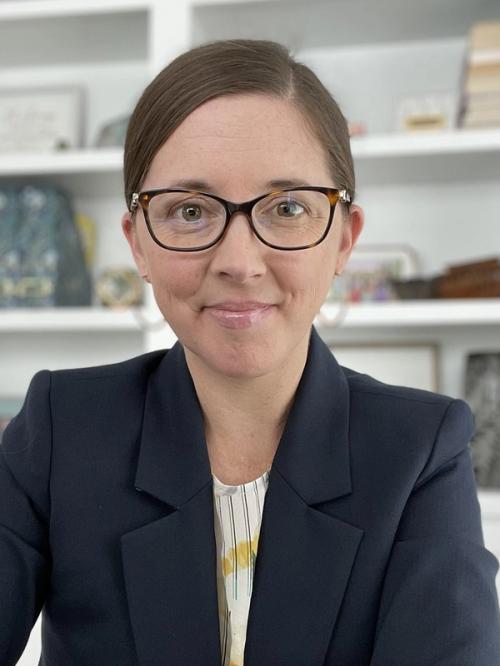
Katie Deal
Head of Engagement, Partnerships, and Growth
Katie brings 20 years of experience in mental health promotion and suicide and violence prevention to her work at MATES.

Wykisha Thomas-McKinney
Program Operations Manager
Wykisha McKinney leads systems and strategy for a national workplace mental health and suicide prevention initiative.


The Program Delivery Workforce
The strength of MATES North America Pilot sits in the people delivering the program. Our workforce brings together construction credibility, suicide prevention capability, case management expertise, cultural responsiveness, and strong operational support. This combination is essential to the MATES model. The program depends on people who can build trust on worksites, support workers safely, strengthen help-offering and help-seeking, and maintain the systems needed for high-quality, accountable delivery across a complex pilot environment.



FIELD OFFICERS
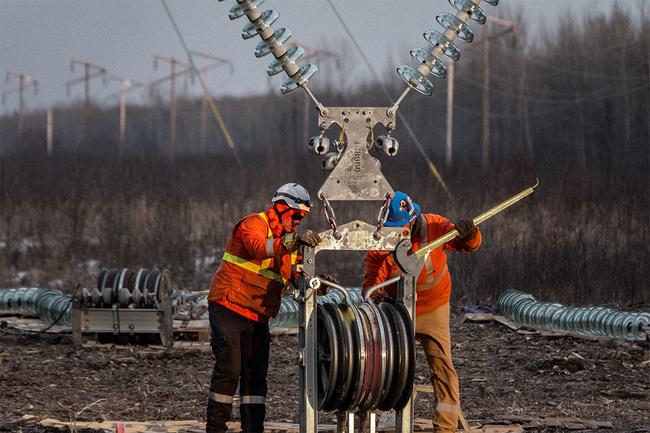
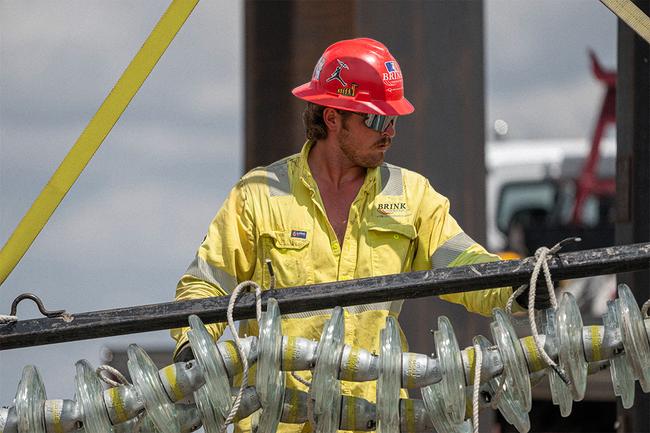
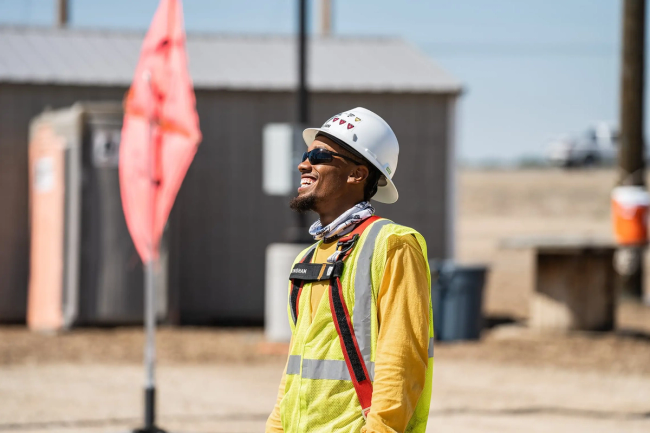
Field Officers are the frontline presence of MATES on construction sites. They deliver General Awareness Talks, support Connector development through training and coaching, build relationships with workers and site leaders, and help embed the “network of safety” into the everyday culture of the job. Their role is not limited to training delivery. Field Officers spend time on site, listen to workers, follow up after sessions, support help-offering conversations, and work with employers, unions, and safety teams to strengthen readiness and engagement. Their construction credibility and ability to connect with workers are central to making the model trusted and practical.
CASE MANAGERS
Case Managers provide the support pathway that sits behind a peer network. When a worker, Connector, Field Officer, supervisor, union representative, or family member needs help navigating support options, Case Managers help assess needs, identify appropriate services, and support safe connection to care. This may include linking people with employee assistance programs, union member assistance programs, suicide crisis services, community providers, healthcare systems, or other local supports. Their role helps ensure that MATES is not just raising awareness, but creating a practical bridge between people in distress and the help available to them.
OPERATIONS SUPPORT
The Operations Support team provides the structure that enables the program workforce to deliver safely, consistently, and effectively. This team supports scheduling, administration, communications, reporting, data coordination, systems, compliance, finance processes, and the practical logistics required to operate across multiple sites and states. Their work helps maintain program quality, supports evaluation and governance, and ensures Field Officers and Case Managers can stay focused on workers, sites, and the core purpose of the program.